Procrastination and style sheets
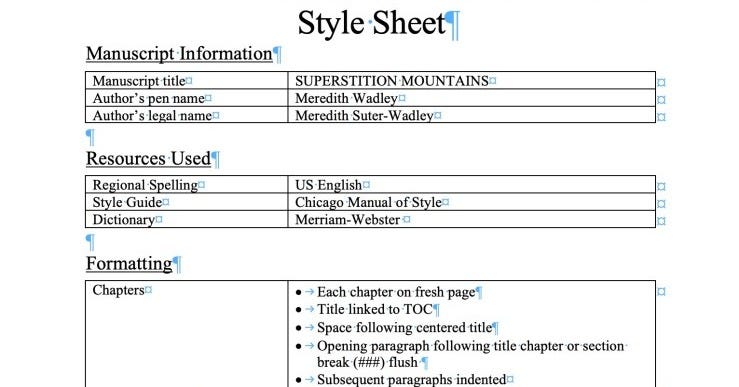
While working on a novel-in-progress, I kept putting off creating a valuable tool, the style sheet.

For years, ideas for short stories grew within my easy reach. I nurtured, shaped, and harvested them for market. I got many published. Ideas for novels or novellas didn’t seem worth tending. Their slower growth and harvesting rate didn’t suit me. And they required patience and persistence, skills I lack. Why waste time on anything I’d only tire of and neglect before bringing to maturity? Why tend something for it to wilt and die? Instead, I turned to flash fiction, pruning and shaping micro pieces of fiction, honing my writing skills, and I got many shorter pieces published. Yet something alien seeded itself within my easy reach. A hardy idea, it emerged, grew, and set down deep roots. It strengthened to the point where a fascination about what it might produce replaced worries about my nurturing skills.
I began tending my idea for a novel.
My patience surprised me. The joy I felt tending to my idea daily surprised me. And encouraged by a pair of writers I shared my chapters with, who believed in me and loved my premise, I finished a first novel draft.
A draft equates to a season. Would I have the patience to see my idea through a second season? A third? Or however many seasons it needs to mature? I made it through a second draft. My continuing patience with the story and the joy I felt working on it surprised me. I finished a second draft.
A few trusted readers have the manuscript in their hands. Will they see what I see? Feel what I feel?
A novel-length project grows in complexity. It can grow unwieldy. Writers turn to several tools for help. Like creating style sheets, project diaries, single places to record story-specific information and details from the general to the specific. From formatting, punctuation, spelling, and rules of grammar to descriptions of characters, settings, and places, as well as backstory and event timelines. Recording information and details in one place avoids confusion and guesswork as complexity grows.
For my short stories and flash fiction, I never created style sheets. I meant to. I should have. I didn’t.
Having the physical place to record and work out ideas may have helped me see and anchor the purpose of each story element—the purpose of each story, and to evaluate each story’s end shape and maturity. I seldom finished a piece with the confidence that it was truly finished. I sent too many out on submission too early. More excited to share I’d written than confident about its execution. I’d submit a piece to five publications for consideration, my maximum, and immediately see ways to improve it. Or at least to tinker with it. Tinkering became habitual, although tinkering isn’t always improving a story.
Style sheets would have given me a place to tinker with ideas, gauging their value-adds, before actually applying them. Looking back now, I know there were stories I pruned and shaped to death.
When I started my novel draft, I told myself to keep going. Keep producing. Don’t look back. Which helped tame my tinkering habit. Tinkering would not only stall progress, but it would also create knock-on effects, much to sort out in later drafts. I also told myself to create a style sheet for it. Yet in the tradition of putting off my own best advice, I procrastinated. As I started on the draft I would send to my first beta readers, I again told myself to create a style sheet. Did I? No.
But in order to stop myself from diving back into the manuscript I’d just sent out to beta readers, essentially creating a fresh draft of the work and rendering my lovely readers’ efforts less effective, I decided to work on a shelved short story I loved. Over several years of (tinkered) drafts and many submissions, it received plenty of good ink, encouraging words. One draft even won an honorable mention in a respectable writing contest. It never made it into print, though, because I pulled the piece after the magazine that honored and accepted it for publication went silent. I waited patiently while deadlines for revisions, galley proofs, and publication passed with diminishing communication from the editor. Postponed deadlines passed as well. Finally, I reached out. The editor, apparently, suffered personal setbacks so grave she neglected the publication; she couldn’t even communicate with her writers. By the time I withdrew my piece, I’d started my novel. I shelved my story.
Shelving a story for a long time works well for both story and writer; the writer sees the piece with fresh, helpful eyes. When I opened up this beloved story, I saw my next novel project. Now, I’m a hundred pages in; half, fresh material, and I’m feeling The Joy. I know I have the patience. And I also know all too well the benefits of setting up a style sheet at the start.
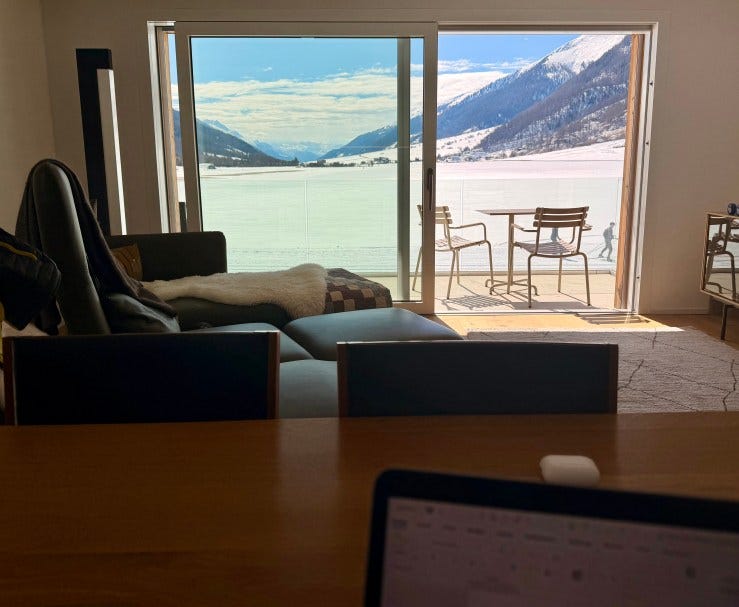
Yes, I’m recording my formatting, punctuation, spelling, and grammatical rules, as well as any manuscript-specific ticks. I’m recording main characters, setting and places, as well as backstories and a timeline. I feel the benefits already.
And there’s something else I’ve set up: a style sheet for my first project. As soon as feedback and suggestions roll in from my beta readers, I’ll be filling the pages of this new manuscript diary. Like the arrival of spring, it fills me with confidence and excitement.
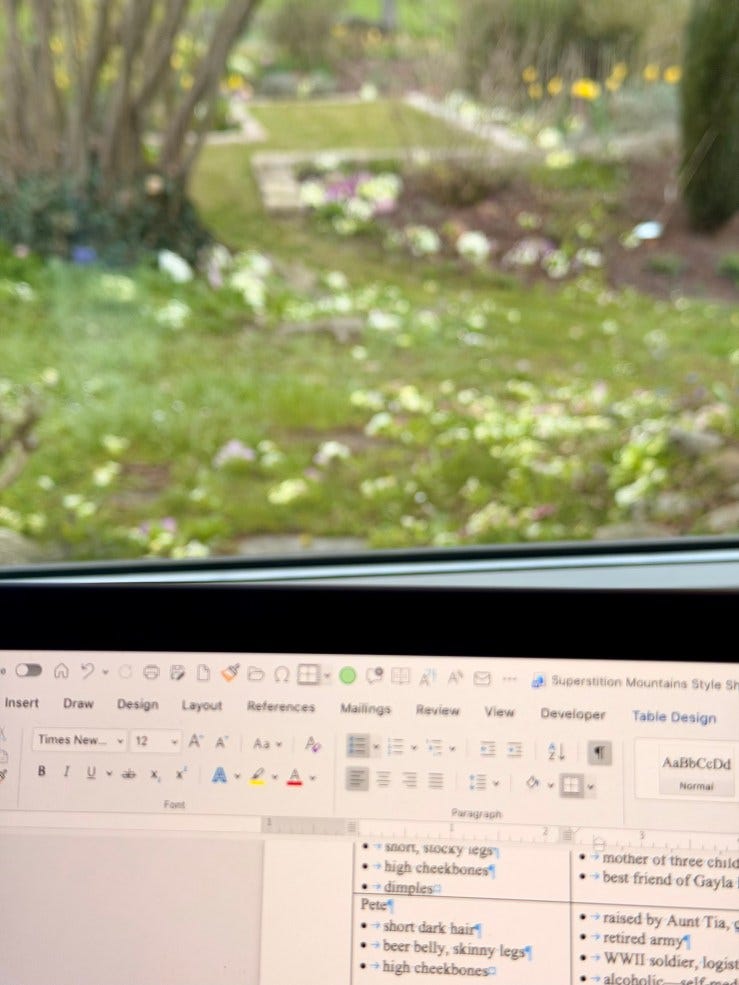
As I finish this musing, I look out the window my desk faces. In the foreground, our yard, blooming primroses sprawled across it, clusters of grass lilies shooting up but not yet producing buds. In the background, my sister-in-law’s garden—as tidy and organized as a style sheet. Ironic, isn’t it, how disorganized our space is? Change is coming, though. Markus has taken on the job of taming our garden. And he already created a style sheet to that effect. He records setting, place, soil types, positioning of sun and length of sunlight, as wells as a wish-list of bulbs, flowers, bushes, ground-covering, and trees designed to delight through as many seasons as possible and to provide varieties of shapes and colors. I look out on our yard; imagining the benefits to come inspires me.
You are so smart.